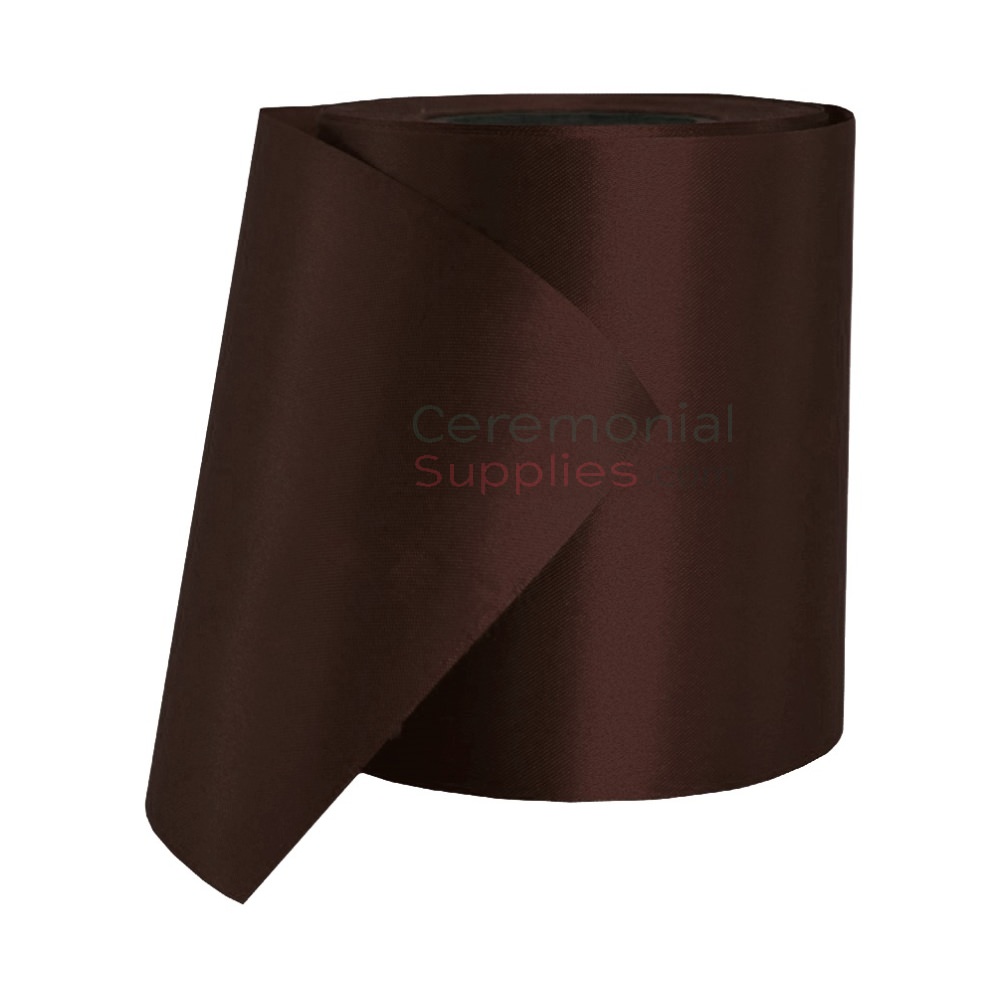
When we think about milestone departures that changed the course of American history, we often imagine how grand opening ribbons and the Lewis and Clark Expedition departure May 14, 1804 share the same spirit of anticipation, ceremony, and discovery seen in the most ambitious events organized today. On May 14, 1804, Meriwether Lewis and William Clark officially departed from Camp Dubois near the Mississippi River to begin the legendary exploration of the newly acquired Louisiana Territory. Their journey, commissioned by Thomas Jefferson, would span thousands of miles and become one of the greatest exploration expeditions in American history.

As event planners and historical organizations recreate this monumental departure, we help them design immersive environments using elegant custom ribbons that frame exhibit entrances, stage installations, and ceremonial displays. The expedition itself symbolized the opening of a vast new frontier, and we often compare the atmosphere surrounding Lewis and Clark’s departure to the energy of a modern civic grand opening where guests gather beneath coordinated décor, dramatic signage, and richly colored custom ribbons designed to establish excitement and visual continuity.
At CeremonialSupplies.com, we provide the products needed to transform historical themes into unforgettable experiences. Our premium custom ribbons are available in a wide range of widths, colors, and finishes, including extra-wide styles perfect for museum exhibitions, exploration conferences, and themed gala events. Event organizers frequently combine our custom ribbons with elegant event carpets and carpet runners to create ceremonial pathways that evoke the grandeur and importance of historic departures like the Lewis and Clark expedition.

As the Corps of Discovery pushed westward into unfamiliar territory, the expedition represented ambition, uncertainty, and national pride. We help you capture those same qualities through carefully coordinated event presentation. Our polished stanchions and rope systems guide guests naturally through exhibits and presentations, while our towering vertical banners create dramatic architectural framing throughout convention halls and civic venues. CeremonialSupplies.com has earned its reputation as the best one-stop shop on the net for ceremonial décor because we combine exceptional quality, customization, swift shipment, and low shipping costs that help planners execute sophisticated productions with confidence.
We also provide an extensive portfolio of ceremonial products ideal for historical commemorations and civic celebrations. Our mirrored ceremonial groundbreaking shovels add prestige to milestone events, while our oversized grand opening ribbons and custom branded ribbons create dramatic focal points for ceremonies and photo opportunities. Organizers often pair our engraved memorial plaques with coordinated custom ribbons to create educational installations that feel polished, immersive, and visually cohesive.

At CeremonialSupplies.com, we understand that presentation shapes how guests experience history. Whether you are organizing a historical symposium, educational conference, museum opening, or civic festival inspired by the Lewis and Clark expedition, our premium custom ribbons help establish atmosphere and continuity throughout your venue. Combined with event carpets, carpet runners, memorial displays, and polished stanchions and rope systems, these elements transform ordinary spaces into visually engaging ceremonial environments.
As audiences continue to celebrate the courage and exploration embodied by Lewis and Clark’s May 14, 1804 departure, we remain committed to helping planners create memorable events inspired by history’s defining journeys. CeremonialSupplies.com continues to provide conference organizers, museums, civic planners, and event professionals with the ceremonial products needed to elevate every milestone occasion through bold custom ribbons, refined presentation, and professional event décor solutions. We invite you to chat with us online or click here for a quote.
 The phrase “Twelve Tribes of Israel” comes from the descendants of Jacob, also called Israel. According to tradition, Jacob had twelve sons, each becoming the ancestor of a tribe: Reuben, Simeon, Levi, Judah, Issachar, Zebulun, Dan, Naphtali, Gad, Asher, Joseph, and Benjamin. Over time, the tribe of Joseph split into two—Ephraim and Manasseh—sometimes producing a count of thirteen while still maintaining the symbolic number twelve. This number appears repeatedly in Scripture, representing completeness, order, and divine structure—seen also in twelve months, twelve apostles, and twelve stones in sacred memorials.