Procession routes and pre-established locations, in general, carry risk of being leaked into the hands of terrorists, but it appears man is forever trusting, and the terrorists are forever adjusting. The reshaping of borders that took place as a result of WWI, and the complete destruction of the Ottoman Empire, one of the wealthiest and most socially responsible, humane empires in history contributed to the goals of the political environment of the day. The world was destined to have its first “global” conflict and it would start with flags of mourning for the assassination of Archduke Ferdinand in Sarajevo, (capital of Bosnia after Yugoslavia was divided in the 1990s) June 28, 1914. What appeared at first to be a tragic political assassination soon triggered a chain reaction that plunged Europe into war. In the days that followed, memorial flags appeared across cities and public buildings, while custom ribbons and symbols of military mourning became part of ceremonies honoring the dead and expressing national grief.
Archduke Franz Ferdinand was heir presumptive to the throne of Austria-Hungary. Alongside his wife Sophie, Duchess of Hohenberg, he traveled to Sarajevo during a period of rising tensions within the Balkans. Nationalist movements sought independence from imperial control, and hostility toward Austrian rule had intensified. On that June day, a group of conspirators associated with Serbian nationalist causes positioned themselves along the Archduke's route.
After an earlier assassination attempt failed, events took an extraordinary turn. The Archduke's driver mistakenly entered the wrong street, bringing the royal vehicle directly in front of Gavrilo Princip, one of the conspirators. Princip fired two shots, mortally wounding both Franz Ferdinand and Sophie. Within hours, news spread throughout Europe. Memorial flags were lowered or displayed in tribute, while military mourning ceremonies began across the Austro-Hungarian Empire.
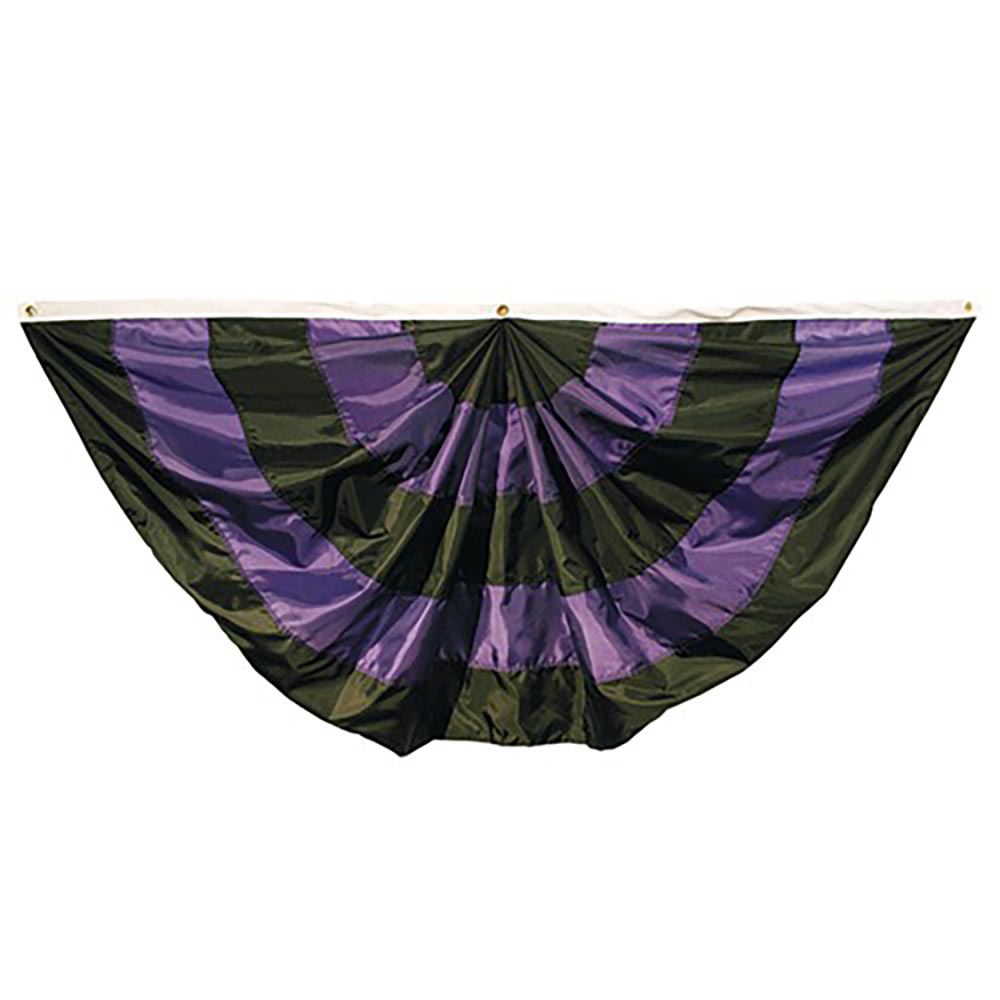
The assassination itself was shocking, but its consequences proved even greater. Austria-Hungary issued demands to Serbia. Alliances rapidly drew additional nations into the crisis. Germany supported Austria-Hungary, while Russia mobilized in support of Serbia. France and Britain soon became involved. Within weeks, Europe was engulfed in the First World War. Historians continue to regard the assassination as one of the most consequential events of the twentieth century. Memorial flags became visible reminders of national loss, while custom ribbons often accompanied commemorative gatherings and tributes.
The atmosphere that followed was one of uncertainty and grief. Public ceremonies honored the victims. Newspapers published detailed accounts of the tragedy. Expressions of military mourning appeared in cities throughout Europe as governments prepared for what many assumed would be a brief conflict. Instead, the war lasted more than four years and claimed millions of lives. Memorial flags served as symbols of remembrance, and custom ribbons reflected the solemnity of public observances.
At CeremonialSupplies.com, we understand the importance of honoring history and preserving memory. Our reputation for quality products, friendly price points, and prompt, efficient shipping has made us a trusted source for organizations planning commemorative events, memorial programs, educational exhibits, and civic ceremonies. Military mourning traditions continue to inspire modern remembrance activities.
The assassination of Franz Ferdinand demonstrates how a single moment can alter global events. At CeremonialSupplies.com, our flagship products include memorial displays, grand opening ribbons, event carpets, stanchions and rope systems, plaques, memorial flags, and custom ribbons designed to elevate meaningful occasions. Military mourning observances often rely upon carefully selected ceremonial elements that convey dignity and respect.
Today, historical societies, museums, veterans' organizations, and event planners continue to commemorate important anniversaries. At CeremonialSupplies.com, our customization options allow clients to create custom ribbons featuring dates, logos, and messages, as well as memorial flags tailored to specific ceremonies and commemorations. Military mourning traditions remind us that remembrance remains an important part of preserving our shared history. We invite you to chat with us online or click here for a quote.